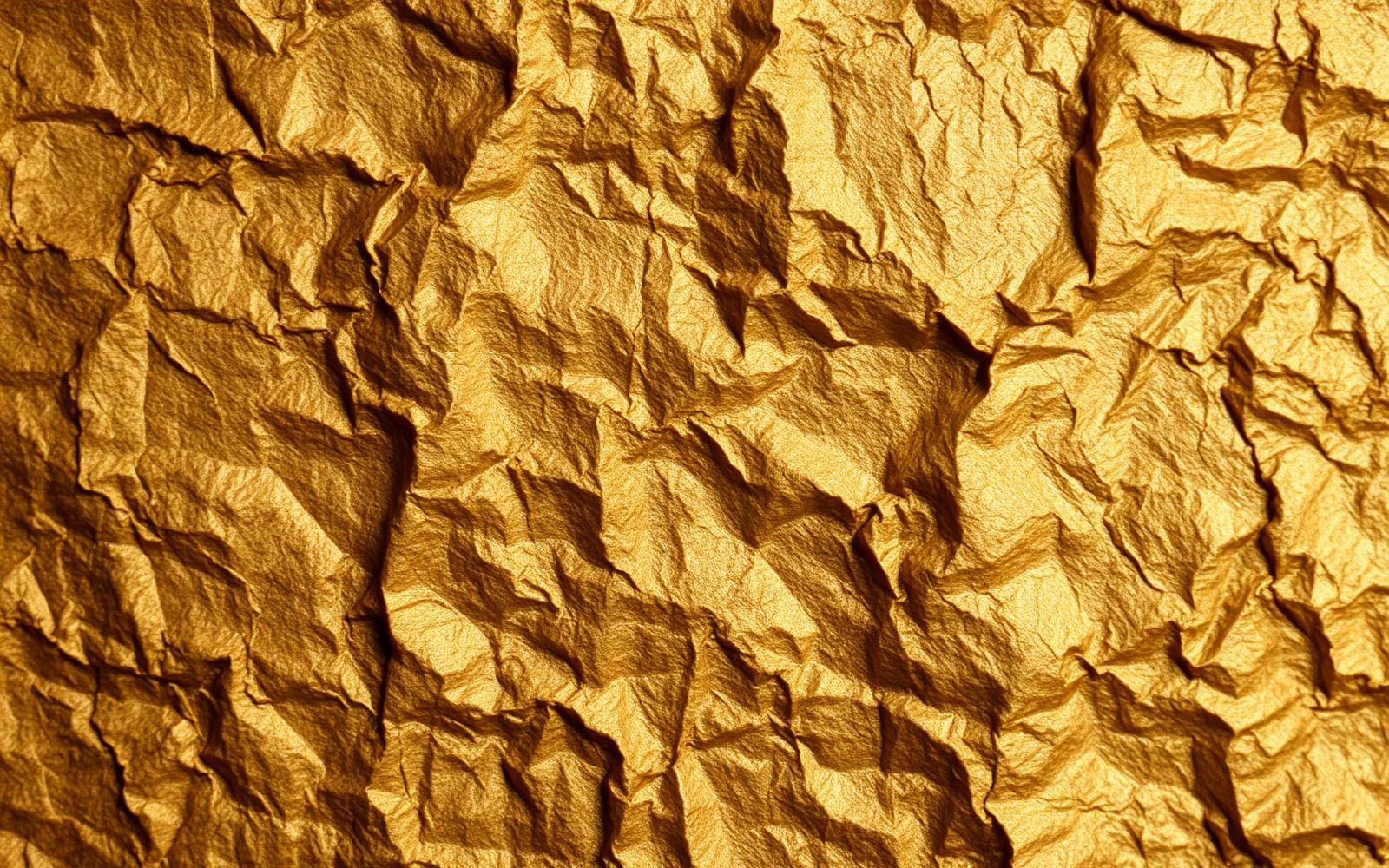
What is Gold Leaf?
Gold leaf is an ultra-thin layer of pure gold used to create a gilded appearance on ceilings, walls, frames, sculptures and furniture. Because pure gold is an element rather than a compound or alloy, it can be compressed almost to the atomic level without losing its structure — thin enough that sunlight passes through it and lands on the far side as a soft green glow.
That extreme thinness is the whole point. A gilded surface is not a coating of gold paint but an actual skin of metal, so it reflects rather than absorbs light. Move through the room and the surface moves with you.
A Craft 4,000 Years Old
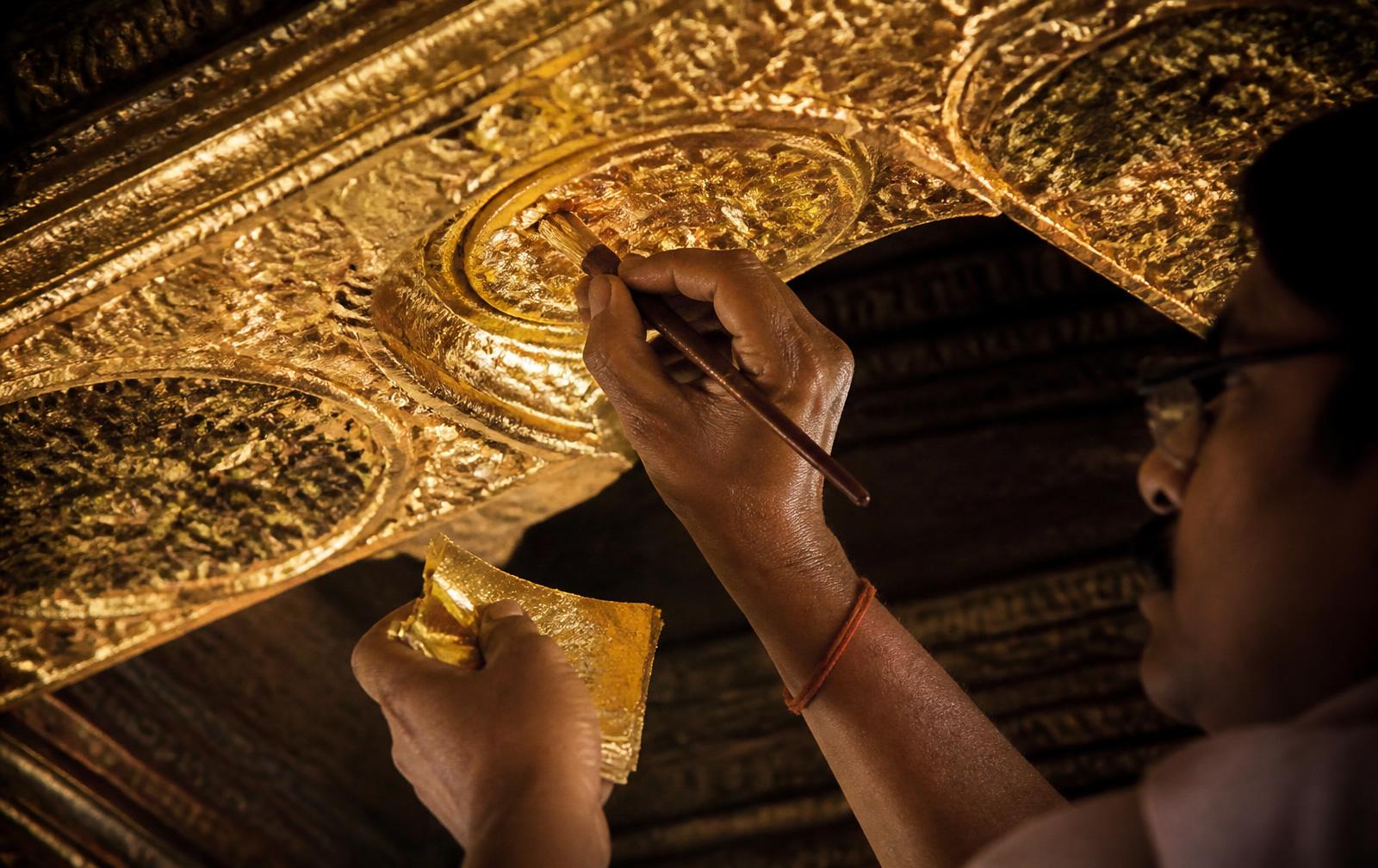
Gilding traces back over four millennia to Northern Africa, where gold foil was applied to wood to make objects appear solid gold. In the Middle East, gilding over other metals has been traced to at least 3000 BC. Egyptian craftsmen beat gold into sheets by laying it on a flat stone and striking it with another — a method whose logic has not changed, only its machinery.
"Every civilisation that has had gold has eventually beaten it thin and put it on a ceiling."
How Gold Leaf Is Made Today
Modern gold beating uses metal rollers that compress gold to roughly one two-hundred-fifty-thousandth of an inch. The finished leaf is cut into small sheets and layered between glassine paper — one of the very few materials gold leaf will not stick to. Gilders lift each sheet with a special fan brush, the gilder's tip, charged with just enough static to hold the metal without creasing it.
Oil Gilding vs Water Gilding
Oil Gilding
Fast, forgiving, versatile
- Cheaper and considerably easier to learn.
- Works on any smooth, non-porous surface.
- Needs only prior painting as preparation.
- Cannot be burnished — the sheen stays satin.
Water Gilding
Slow, exacting, magnificent
- Harder to learn and far more labour-intensive.
- Requires a built-up gesso ground.
- Burnishing compresses the softened gesso to a polished plane.
- The gold reads as a solid mass of metal — far more beautiful.
Why Gold Leaf Endures
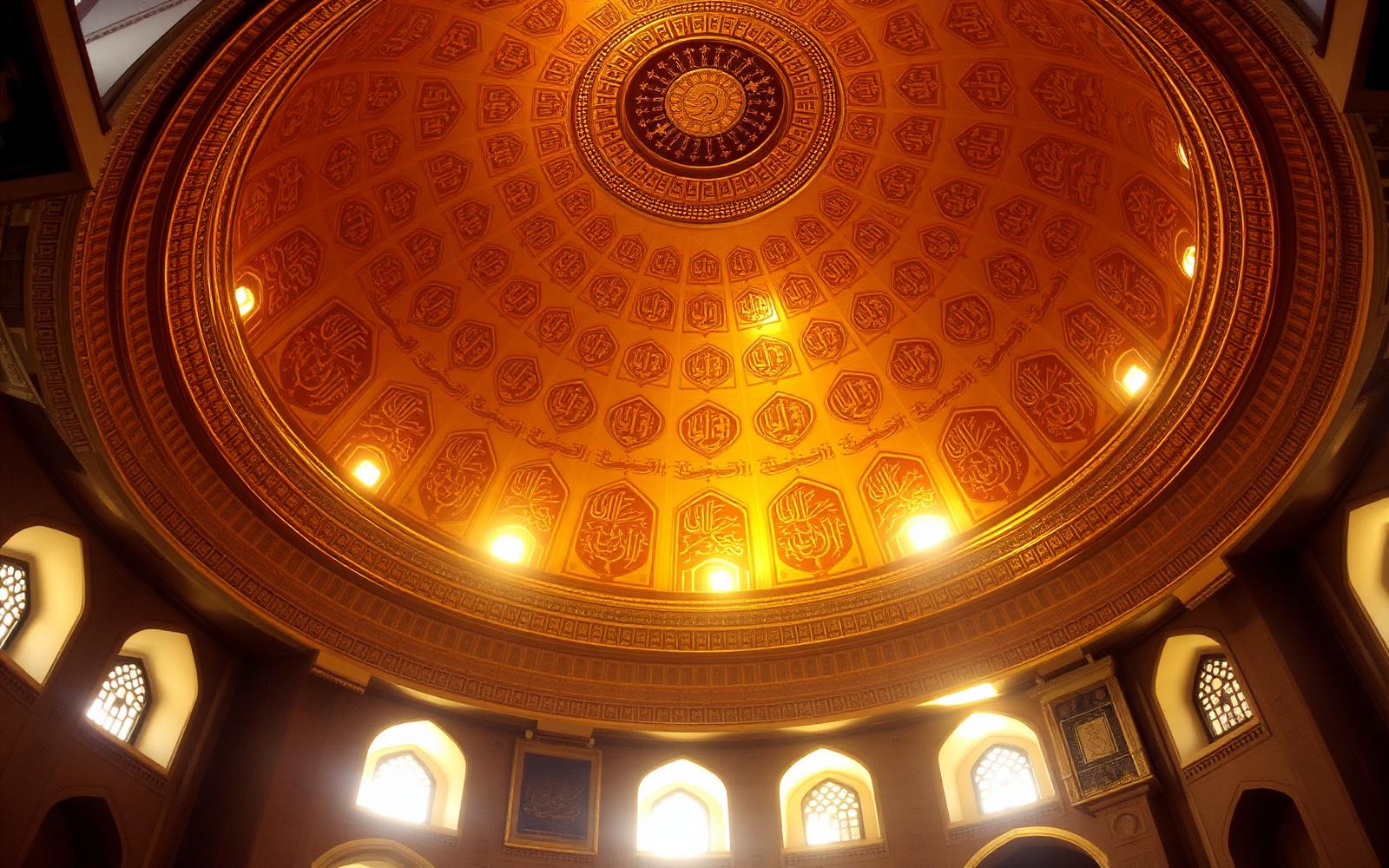
Gold's high melting point and extraordinary malleability let it be beaten microscopically thin while preserving its lustre and colour for centuries. It does not rust, tarnish or yellow. Gilded shrine domes and palace ceilings from the eighteenth century still hold their tone today; what ages on poor work is never the gold, it is the surface beneath it.
Leafing in Modern Interiors
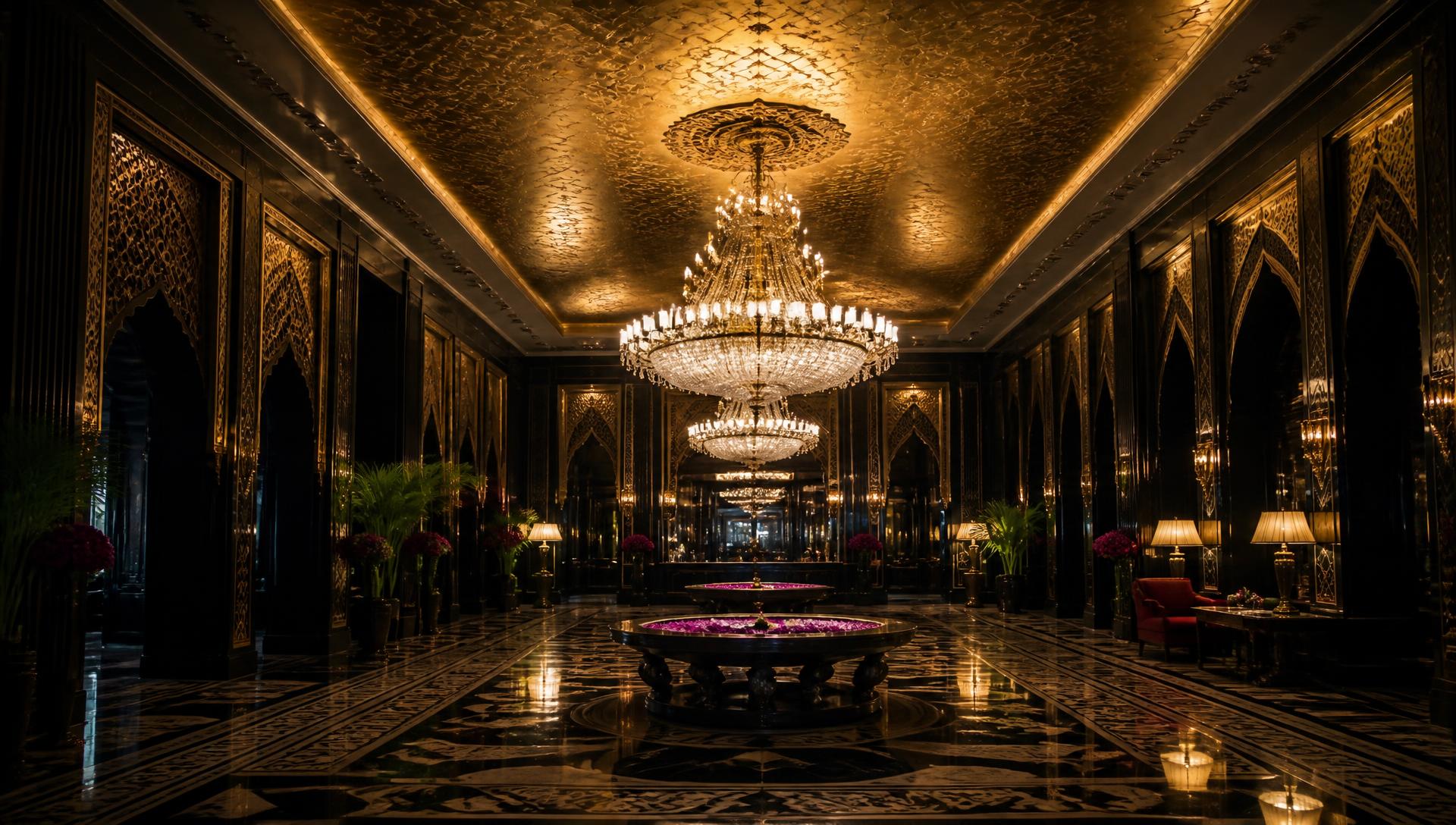
Today leafing appears in feature ceilings and coves, statement walls, mandirs and prayer rooms, hotel lobbies and banquet halls, bespoke furniture, mirror surrounds and carved signage. In contemporary interiors it is often used sparingly — one gilded plane in an otherwise restrained room — because a single reflective surface changes the light of the entire space.
The Leafing Process
- 01
Surface Prep
- 02
Base Coat
- 03
Size / Adhesive
- 04
Leaf Application
- 05
Burnishing
- 06
Sealing